

Kenya’s digital economy has moved well beyond the early adoption phase. With smartphone penetration topping 80%, near-universal mobile money integration through M-Pesa STK Push, and widespread social commerce on TikTok Shop, Instagram, and WhatsApp Business, online shopping is now a daily habit rather than an urban novelty.
However, the days of launching a generic "everything store" and expecting easy sales are over. Modern Kenyan consumers are discerning, price-conscious, and fiercely loyal to specialized brands that solve specific problems. Whether you are a small investor bootstrapping from a spare bedroom in Nairobi or scaling an established retail operation in Mombasa or Kisumu, profitability in 2027 comes down to niche focus, repeat purchase potential, and operational efficiency.
To help you capture market share without drowning in inventory risk or shipping losses, we analyzed current market demand, supplier ecosystems, and consumer buying shifts across the country. Here are the five most profitable e-commerce business ideas thriving in Kenya right now - and how you can build a defensible brand around each one.
1. Locally-Made Clean Beauty, Natural Skincare, and Niche Fragrances
The beauty and personal care sector remains one of the highest-converting verticals in Kenyan e-commerce, driven by a massive shift toward locally formulated, clean, and melanin-friendly products. Consumers are increasingly skeptical of counterfeit imported cosmetics and are willing to pay premium prices for transparent ingredient lists, shea- and baobab-based formulations, natural African hair care, and decanted or signature perfumes.
Why It Works for Small and Mid-Sized Investors
Built-In Replenishment Cycle: Unlike a sofa or a winter jacket, serums, cleansers, hair oils, and body mists run out every 30 to 60 days. Acquiring a customer once can yield six to ten repeat orders a year.
Lightweight and Low Shipping Cost: Small bottles, jars, and roll-on fragrances cost very little to dispatch via local rider networks in Nairobi or Couriers upcountry, protecting your net profit per order.
Strong Visual Marketing: Skincare routines, texture swatches, and "scent of the day" breakdowns perform exceptionally well on short-form video platforms like TikTok and Instagram Reels.
How to Stand Out in 2027
Avoid competing on generic wholesale lotions. Instead, carve out a hyper-specific sub-niche: men’s beard and grooming kits, sensitive-skin barrier repair, or curated fragrance discovery sets. Ensure any locally formulated products meet Kenya Bureau of Standards (KEBS) requirements, display clear batch and expiry dates, and build social proof with before-and-after customer reviews on your product pages.
2. Artisanal Handmade Crafts, Jewelry, and Curated Gifting
Kenya possesses one of the richest artisan ecosystems in Africa, yet many makers still rely solely on physical curio markets or irregular tourist foot traffic. Moving handmade goods - such as brass jewelry, hand-stitched leather bags, woven sisal baskets, soapstone decor, and personalized gift boxes - onto a dedicated e-commerce storefront unlocks both domestic gifting buyers and high-spending international customers.
Why It Works for Small and Mid-Sized Investors
Insulation from Price Wars: Mass-produced imports force sellers into a race to the bottom. Handcrafted and personalized items carry emotional value, allowing you to command 50% to 70% gross margins without competing against giant marketplaces.
Dual-Market Revenue: You can serve local buyers during end-month paydays, Valentine’s Day, weddings, and corporate holiday gifting seasons, while simultaneously listing high-ticket items for the Kenyan diaspora and global buyers via DHL Express or international postal integration.
Made-to-Order Inventory Model: Rather than tying up capital in hundreds of finished units, you can partner directly with local artisans in hubs like Kariokor, Kisii, or Machakos and produce custom pieces once a customer places a deposit.
How to Stand Out in 2027
Invest heavily in high-resolution lifestyle photography and storytelling. Buyers purchasing handmade jewelry or custom gift hampers want to see the craftsmanship up close and know the story behind the piece. Offering custom engraving, handwritten gift notes, and same-day Nairobi gift wrapping turns one-time buyers into loyal brand advocates.
3. Smartphone, Tech, and Ergonomic Home-Office Accessories
With over 80% of Kenyans browsing and shopping primarily on mobile devices, and hybrid or remote work firmly entrenched among Nairobi’s tech, creative, and corporate workforce, tech and workspace accessories remain evergreen bestsellers. While selling flagship smartphones requires heavy capital and thin margins, selling the ecosystem around those devices is extraordinarily lucrative.
Why It Works for Small and Mid-Sized Investors
Low Sourcing Cost, High Perceived Value: Protective MagSafe cases, tempered glass screen protectors, fast-charging GaN adapters, wireless earbuds, laptop stands, ring lights, and ergonomic desk mats can be sourced in bulk at low unit costs and bundled for high average order values.
Non-Fragile and Easy to Store: Most tech accessories take up minimal shelf space - meaning you can run a six-figure monthly operation out of a single storage closet without paying for commercial warehousing.
Urgent Buying Intent: When someone breaks a charger, needs a microphone for content creation, or experiences back pain from working on a dining chair, they buy immediately rather than browsing for weeks.
How to Stand Out in 2027
Combat buyer hesitation around counterfeit electronics by offering a clear 6-to-12-month replacement warranty and showcasing real video demonstrations of your products in use. Create problem-solving bundles - such as a "Remote Worker Starter Kit" (laptop riser, wireless mouse, and blue-light glasses) or a "TikTok Creator Pack" (lavalier mic, tripod, and LED light) - to boost your cart size.
4. Eco-Friendly Home Goods and Sustainable Living Products
Urban Kenyan households are increasingly conscious of single-use plastics, unreliable power costs, and home aesthetics. This shift has created a rapidly expanding niche for sustainable home essentials, kitchen organization tools, bambooware, reusable insulated drinkware, and compact solar lighting solutions.
Why It Works for Small and Mid-Sized Investors
High Average Order Values (AOV): Customers outfitting a kitchen pantry with airtight glass jars, bamboo organizers, or solar garden lamps rarely buy just one item; they purchase full sets to match their home aesthetic.
Strong Gifting and Wedding Registry Appeal: Eco-friendly kitchenware and ambient home decor are top choices for housewarming gifts, bridal showers, and holiday presents.
Alignment with Local Sustainability Values: Kenya’s strict single-use plastic bans have primed consumers to actively seek durable alternatives like canvas totes, stainless steel lunchboxes, and biodegradable cleaning supplies.
How to Stand Out in 2027
Focus on durability and clean visual presentation. Use short vertical videos showing "before and after" pantry or living room transformations using your products. Because glass and ceramic home goods require careful transit, partner with reliable door-to-door couriers and use eco-friendly honeycomb paper packaging - which both protects fragile items and reinforces your brand ethos.
5. Digital Products and Niche E-Commerce Enablement Services
Not every profitable e-commerce business requires physical inventory, customs clearance, or boda-boda riders. Selling downloadable digital products - alongside specialized custom website and storefront development for niche businesses - offers the highest profit margins in the digital economy, often exceeding 85%.
Why It Works for Small and Mid-Sized Investors
Build Once, Sell Infinitely: Whether you create KRA tax-compliance templates for SMEs, agribusiness feasibility spreadsheets (such as poultry or greenhouse financial models), CBC revision guides, or local fitness and meal plans, your marginal cost per additional sale is virtually zero.
Instant Automated Fulfillment: With modern payment gateways like Paystack, Pesapal, or IntaSend integrated into your website, a customer pays via M-Pesa STK Push and receives their download link in seconds - even while you sleep.
High B2B Demand for Niche Storefronts: As thousands of Kenyan merchants move off rented social media pages onto owned websites, entrepreneurs with web design skills can package custom e-commerce website builds tailored to specific verticals (e.g., boutique fashion, pharmacies, hardware stores, or tour operators).
How to Stand Out in 2027
Solve a concrete, high-stakes local problem. Generic international e-books rarely convert in Kenya, whereas practical, localized toolkits - like a step-by-step guide to eTIMS onboarding, an automated M-Pesa inventory tracker, or a Turnkey ecommerce package for Nairobi retailers - sell effortlessly because they save buyers time and money.
4 Essential Rules to Maximize E-Commerce Profitability in Kenya
Picking the right niche is only half the equation. To ensure your store remains profitable throughout 2027, build your operations around these four local fundamentals:
Apply the True Net Profit Formula: Never price products based solely on wholesale cost. Calculate every shilling before setting your retail price:
Net Profit = Selling Price- (Sourcing + Packaging + Payment/Marketplace Fees} + Delivery + Returns)
Design Mobile-First with Frictionless Checkout: Because more than four out of five Kenyan shoppers browse on smartphones, your site must load fast on mobile data, feature vertical product photos, and offer one-tap M-Pesa STK Push checkout. Avoid forcing customers to manually copy paybill numbers if you want to prevent cart abandonment.
Prioritize 24-to-48-Hour Fulfillment: Speed builds trust. Same-day delivery within Nairobi and next-day dispatch to major towns like Mombasa, Nakuru, Eldoret, and Kisumu dramatically lowers cash-on-delivery cancellations and earns five-star reviews.
Own Your Customer List: Social media algorithms change overnight, and marketplace commissions eat into your margins. Always funnel your TikTok, Instagram, and marketplace buyers back to your own website and WhatsApp broadcast list so you can remarket new arrivals and restocks for free.
Frequently Asked Questions (FAQs)
How much capital do I need to start an e-commerce business in Kenya in 2027? You can launch a digital product store or a made-to-order handmade brand with as little as KES 5,000 to KES 25,000 to cover domain registration, basic web hosting, and initial marketing. Inventory-based niches like skincare, tech accessories, or eco-friendly home goods typically require KES 30,000 to KES 150,000 for initial stock, branded packaging, and product photography.
Do I need to register a company before selling online in Kenya? You can test demand as a sole proprietor using a registered Business Name via eCitizen, which is fast and affordable. Once your monthly revenue grows consistently, upgrading to a Private Limited Company (Ltd) and registering for KRA eTIMS compliance makes it easier to onboard corporate B2B clients, open business merchant tills, and scale.
Which payment gateway is best for a Kenyan e-commerce website? The best payment gateways in Kenya support seamless M-Pesa STK Push alongside Visa and Mastercard payments. Popular options for Kenyan entrepreneurs include Paystack, Pesapal, Flutterwave, and IntaSend, all of which offer straightforward plugins for WooCommerce, Shopify, and custom websites.
Should I sell on social media, Jumia, or my own website?The most profitable Kenyan brands use a hybrid approach: use TikTok, Instagram, and marketplaces like Jumia for customer discovery and traffic, while using your own e-commerce website as your central hub for brand credibility, bulk bundles, automated M-Pesa checkout, and repeat customer retention.
Our Templates

Featured Guide
The Complete Ecommerce Blueprint
Clicks to sales, creating wealth.
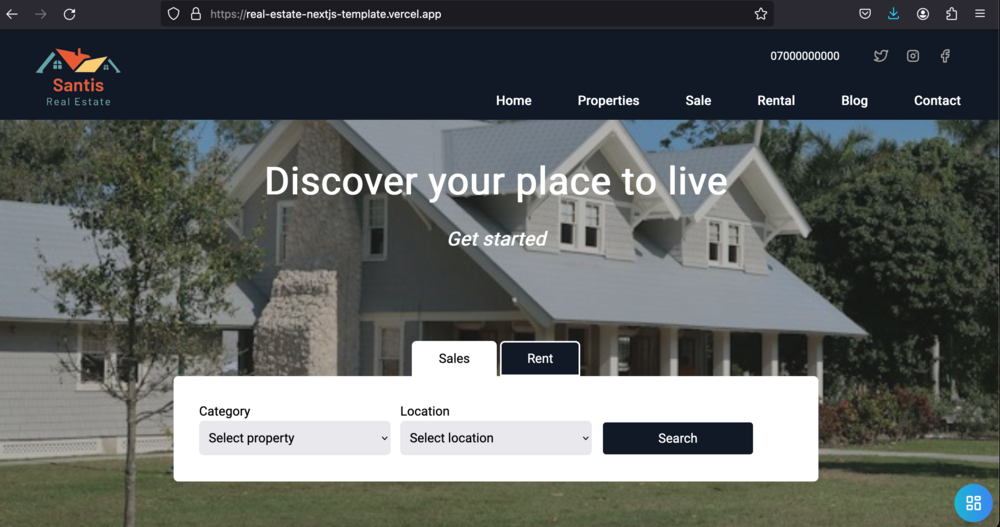
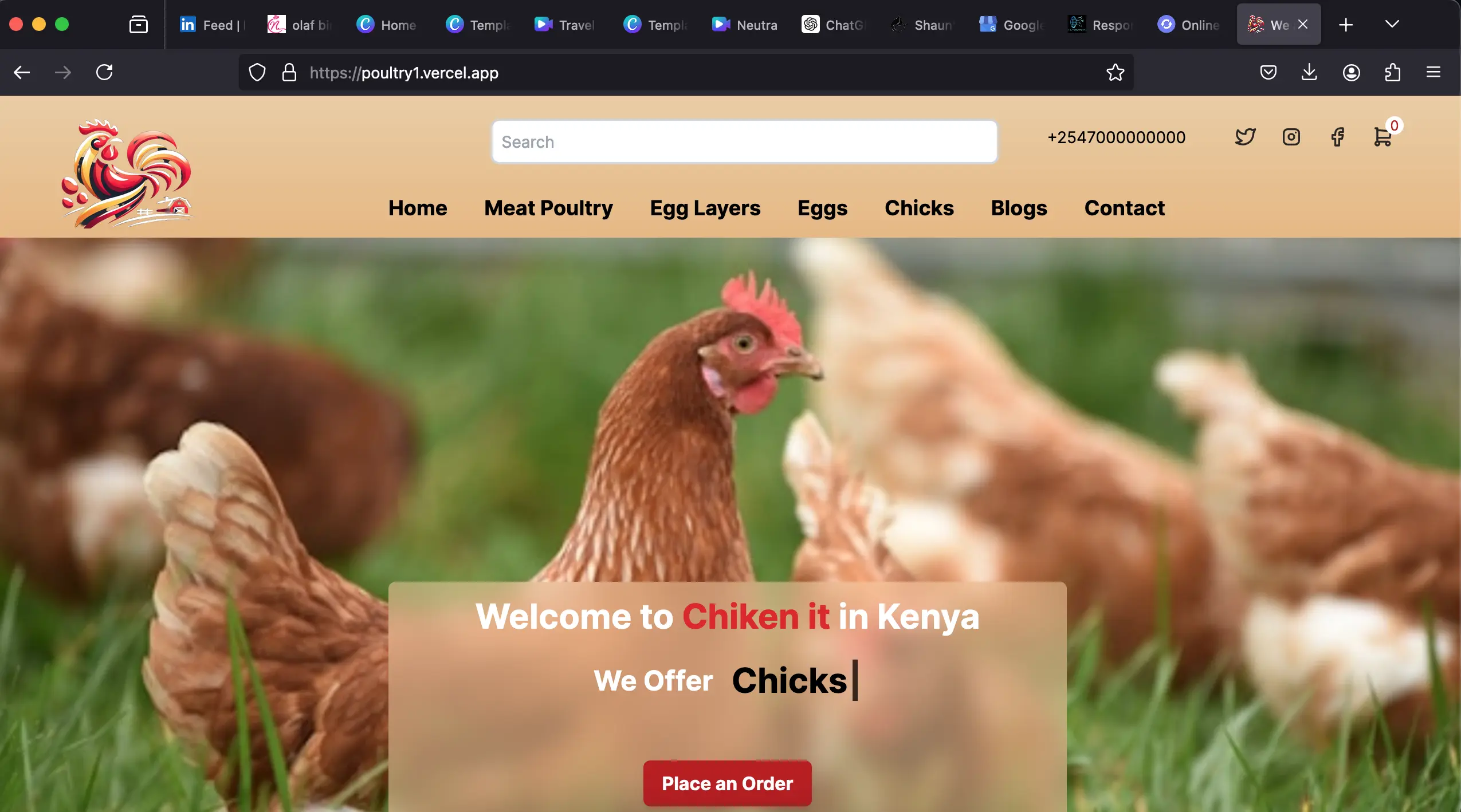
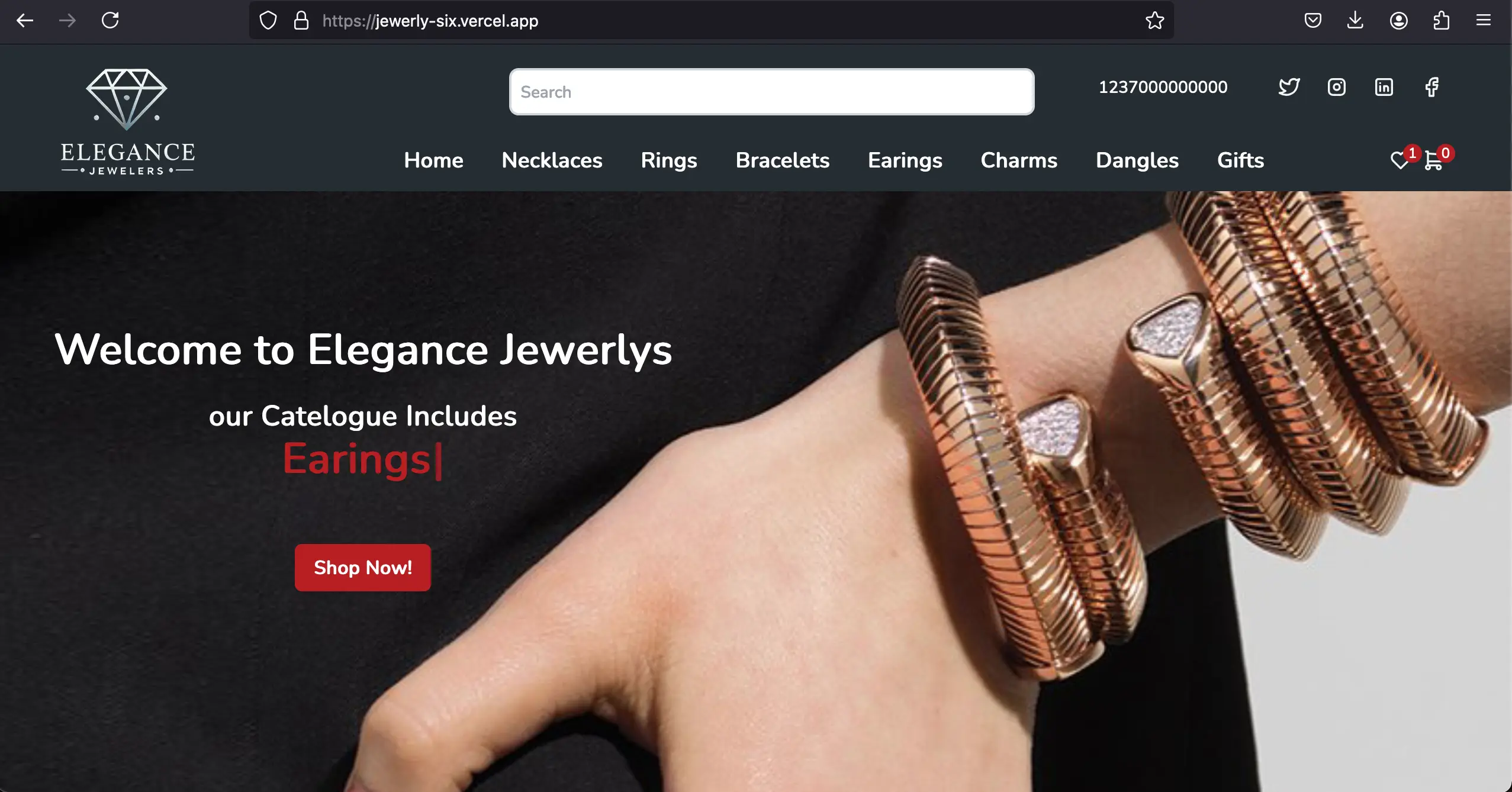
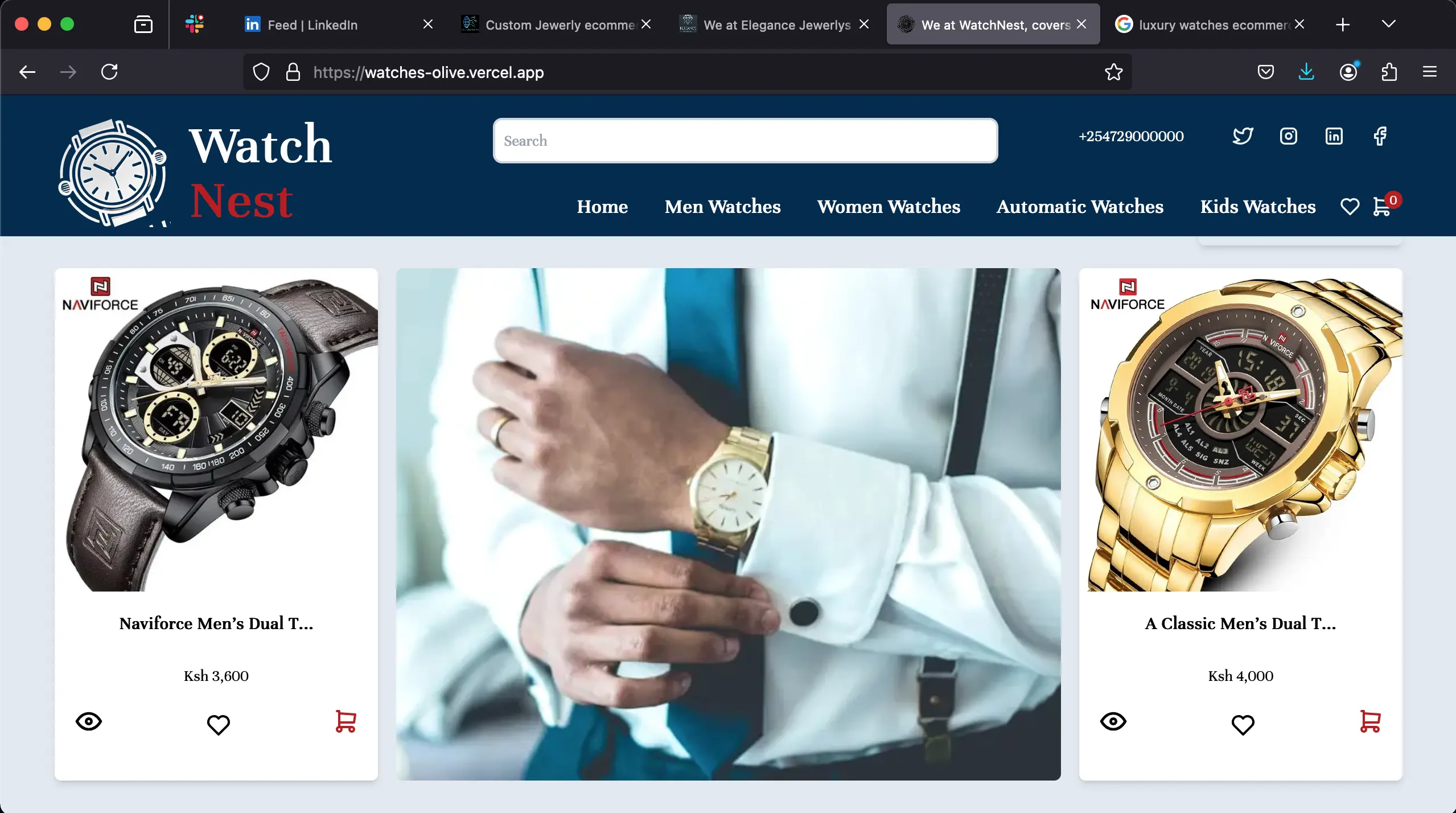
The Turnkey Commerce Suite.
Our Trending blogs









Myrachanto
I help ecommerce businesses scale faster with tech-driven SEO and high-performance web development. With 5+ years of full-stack expertise, I specialize in:
Ecommerce SEO
Optimizing product pages, structured data, and site architecture to boost organic traffic.
Blazing-Fast Stores
Building with React.js, Next.js, Qwik.js, and Golang for speed and conversions.
I write about ecommerce growth—from technical SEO to conversion-focused development—so store owners and marketers can leverage tech for real results.